
UF Systems in Delhi NCR
UF systems in Delhi NCR for RO pre-treatment, STP polish and process water.
Does a UF system reduce TDS?
No. UF is a physical barrier, with membranes in the 0.01 to 0.1 µm class, that removes suspended solids, colloids and many microorganisms. Dissolved salts pass through, so high TDS still needs RO. Jaljiwan uses UF as RO pre-treatment for low SDI, as standalone clarification and as a tertiary polish on STP and ETP reuse lines.
Ultrafiltration systems for RO pre-treatment and reuse in Delhi NCR
Ultrafiltration (UF) is a physical barrier for suspended solids, colloids and many microorganisms. Jaljiwan UF systems, built in New Delhi, work as standalone clarification units, as RO pre-treatment for low SDI, and as tertiary polishers on STP and ETP reuse lines across Delhi NCR.
UF system enquiries from Delhi NCR split three ways: protect an industrial or commercial RO, polish STP treated water for flushing or gardening, or clarify process water where sand filters take too much space. We size flux and recovery from turbidity and organics. A neighbour’s skid is not a design basis.
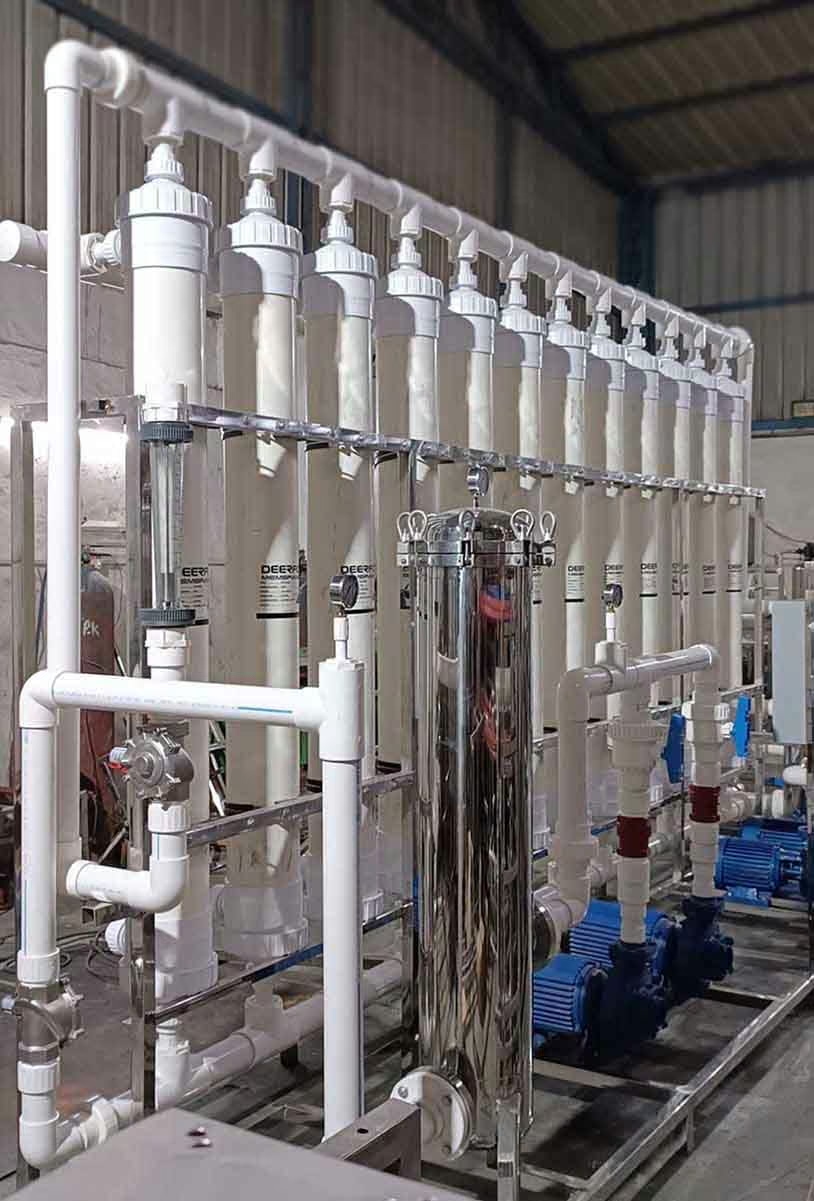
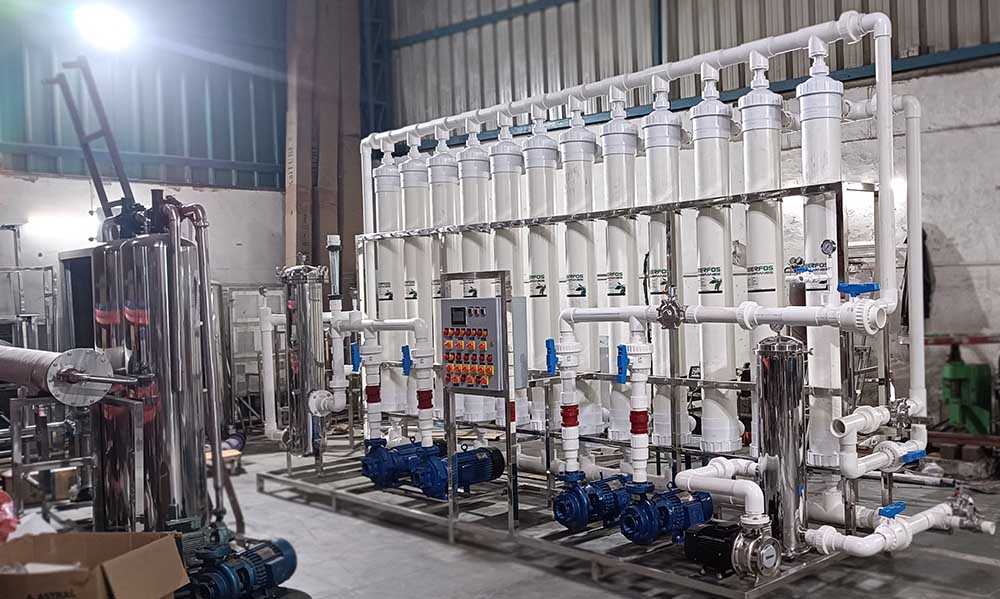
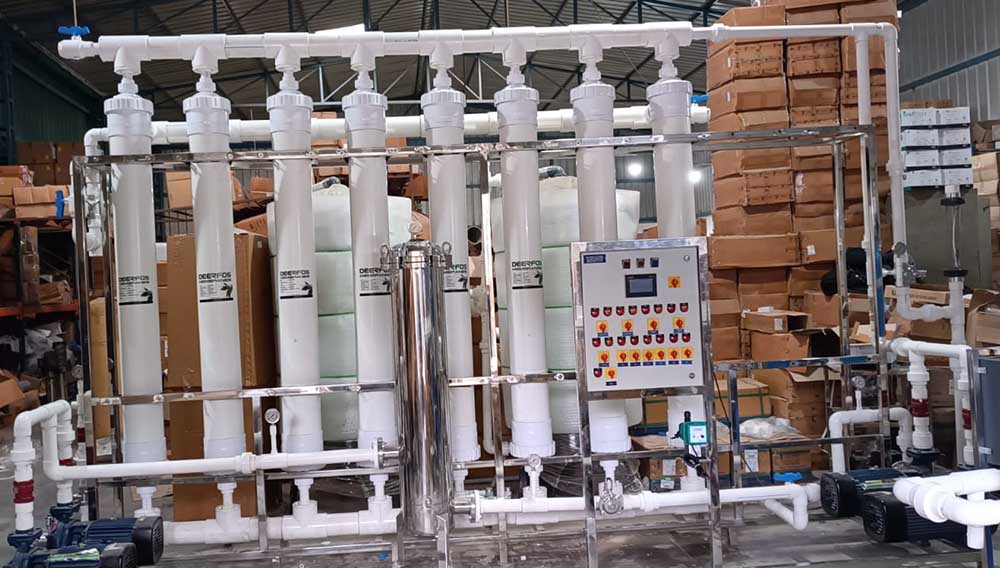
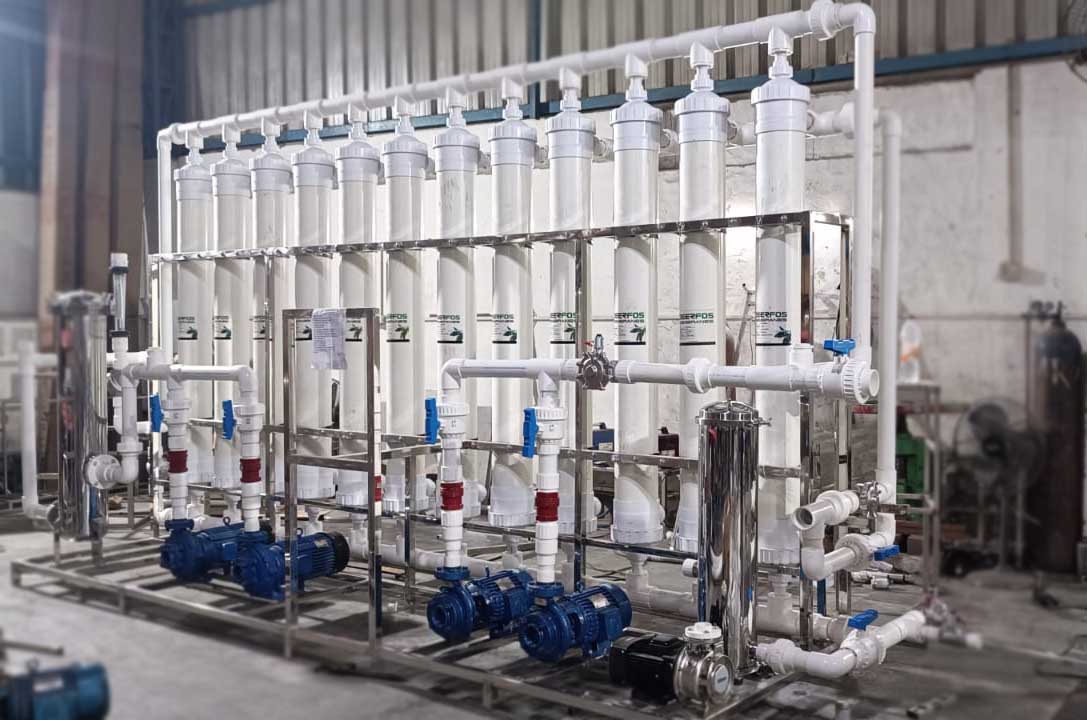
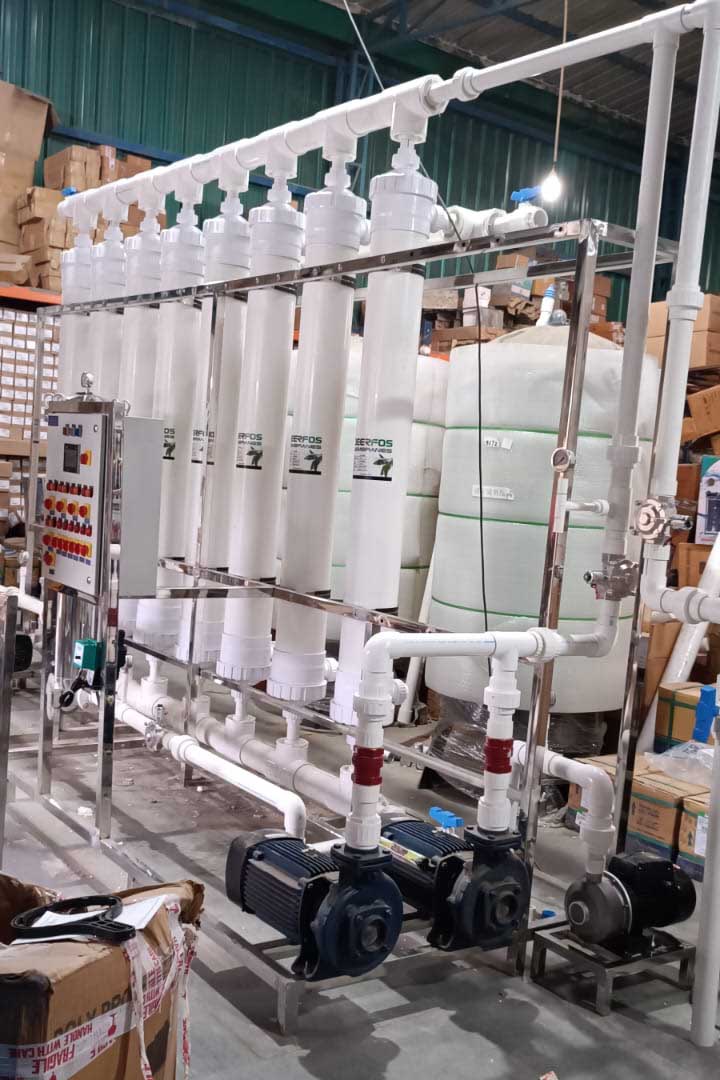
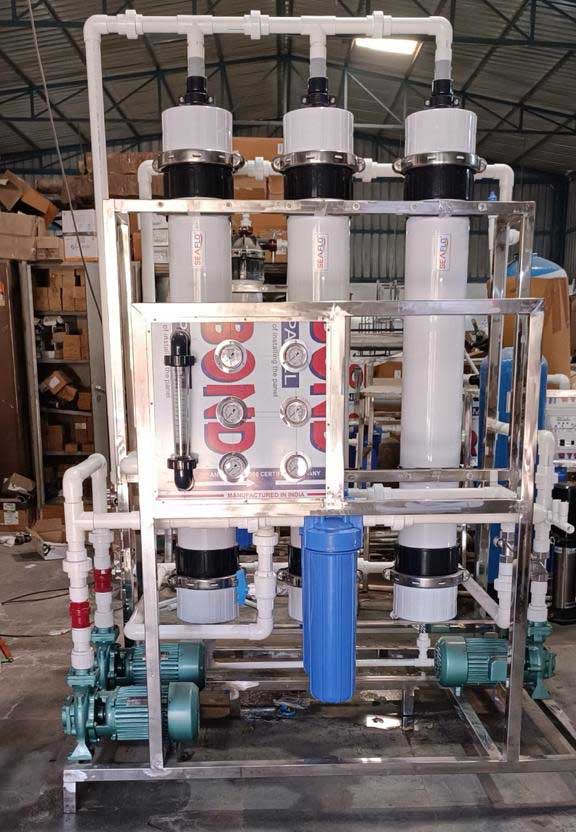
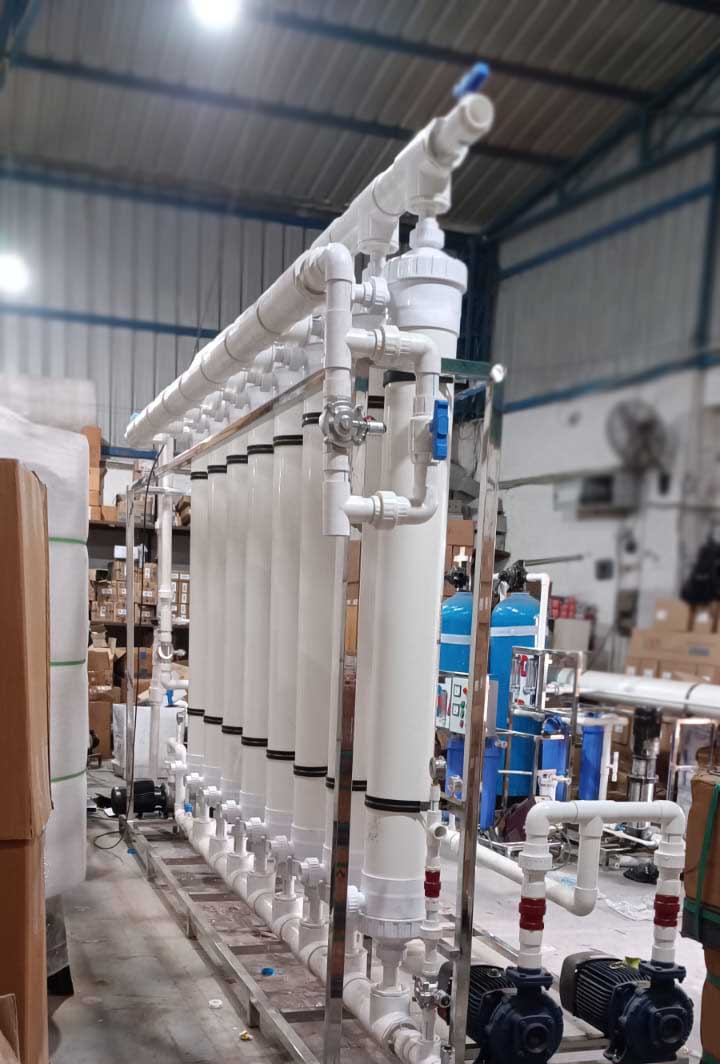
Hollow-fibre modules sit on a compact skid with auto backwash and CIP connections. Plant rooms in Gurugram hotels and Noida factories often cannot spare a clarifier hall. UF filtrate is steady even when monsoon turbidity jumps, which is why we use it as RO pre-treatment when SDI must stay low.
After start-up we train operators on transmembrane pressure and backwash. CIP chemistry follows the foulant, not a generic acid wash. Jaljiwan AMC and spare support run from Dwarka. If your RO fouls after every monsoon, a UF plant in front is often the fix, not another set of membranes.
UF is often used as RO pre-treatment on industrial RO plants or as tertiary polish on STP plants. We support membranes and housings through AMC services. Contact Jaljiwan with feed turbidity and duty.
Key Features
Hollow-fibre modules
Inside-out or outside-in configurations as duty requires.
Auto backwash
Programmed backwash and chemical-enhanced backwash options.
Low chemical intensity
Compared with conventional clarifiers for many applications.
Compact skids
Containerised and plant-room friendly layouts.
RO pre-treatment
Targets low silt density index for membrane protection.
Reuse polishing
Pairs with disinfection for non-potable reuse streams.
Benefits
- Consistent filtrate quality despite variable raw turbidity.
- Smaller footprint than many conventional clarification schemes.
- Extends RO membrane life by reducing fouling load.
- Supports water reuse programmes on campuses and factories.
Applications
How Jaljiwan delivers UF Systems in Delhi NCR
UF Systems specifications
Final figures are confirmed after water analysis and a site survey in Delhi NCR.
| Pore size (typical) | 0.01 to 0.1 µm class membranes |
|---|---|
| Capacity | 1 m³/h to multi-MLD modular |
| Recovery | Often 85 to 95% depending on feed |
| MOC | uPVC / SS piping options |
| Control | PLC with auto backwash sequences |
| CIP | Alkali / acid CIP as required |
Industries that use UF Systems
UF vs RO: which one do you need
UF and RO are both membrane plants, but they do different jobs. A UF plant removes suspended solids, turbidity, colloids and many bacteria, and lets dissolved salts pass. RO removes dissolved salts and brings TDS down. If your water report shows high TDS, you need RO, and UF can sit before it as pre-treatment. If TDS is fine and the problem is turbidity, or you are polishing treated STP water, a UF plant alone is often enough.
What decides UF plant price
Flow in m³/h, feed turbidity and organics (which set the membrane area), module type and count, backwash, CEB and CIP systems, PLC and instruments, and the skid and piping material. Send feed turbidity and duty and we will quote. Our RO membrane maintenance tips show what happens to RO membranes when pre-treatment is weak.
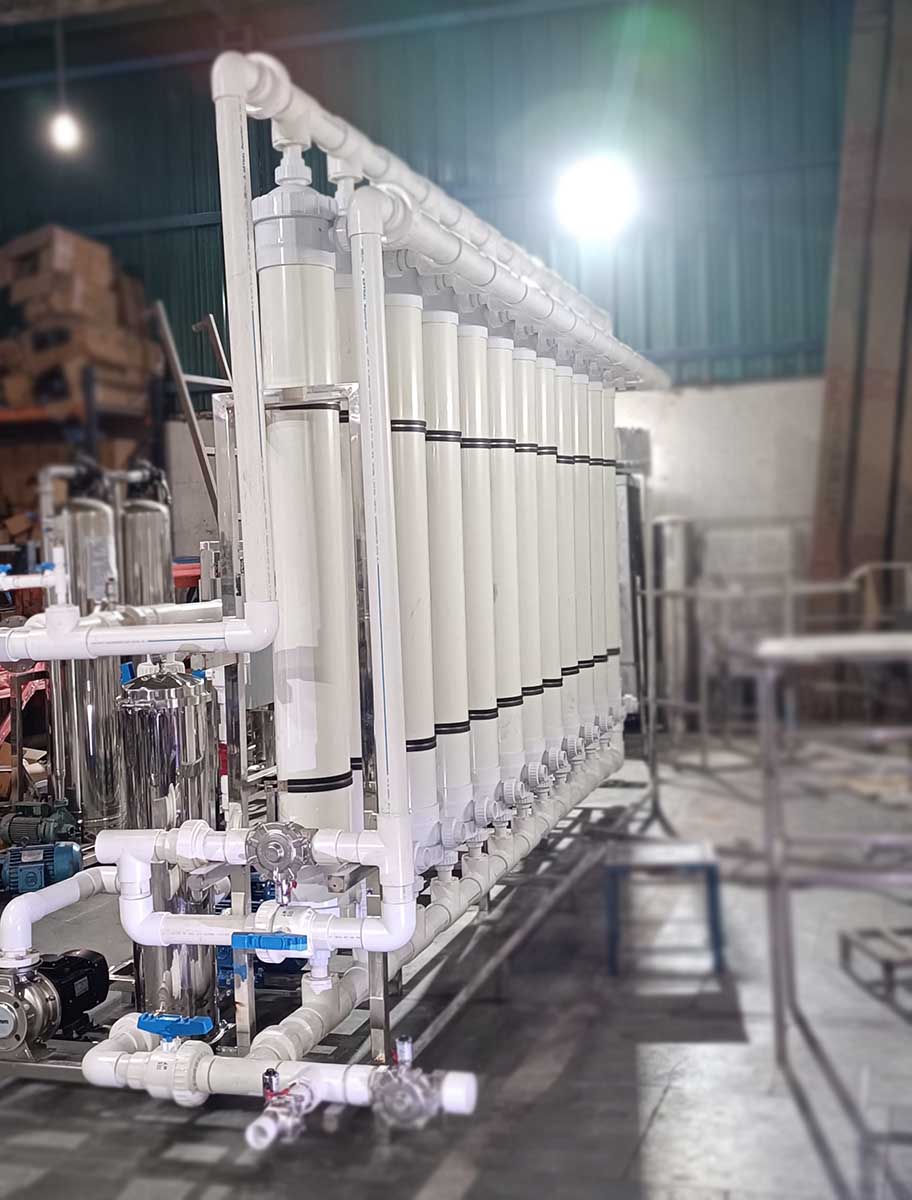
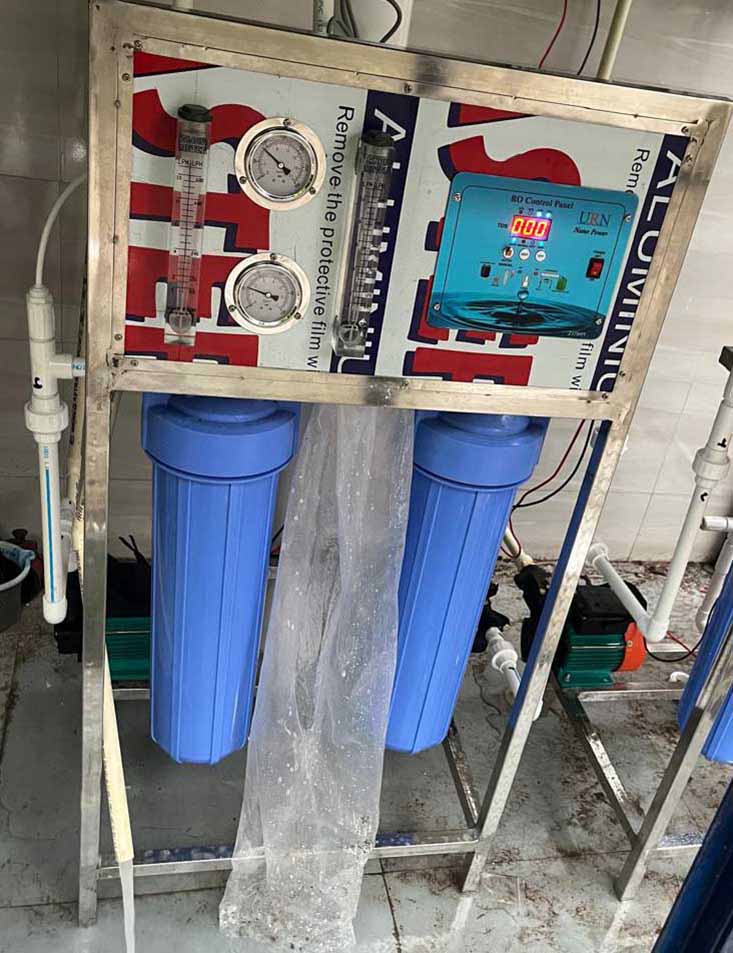
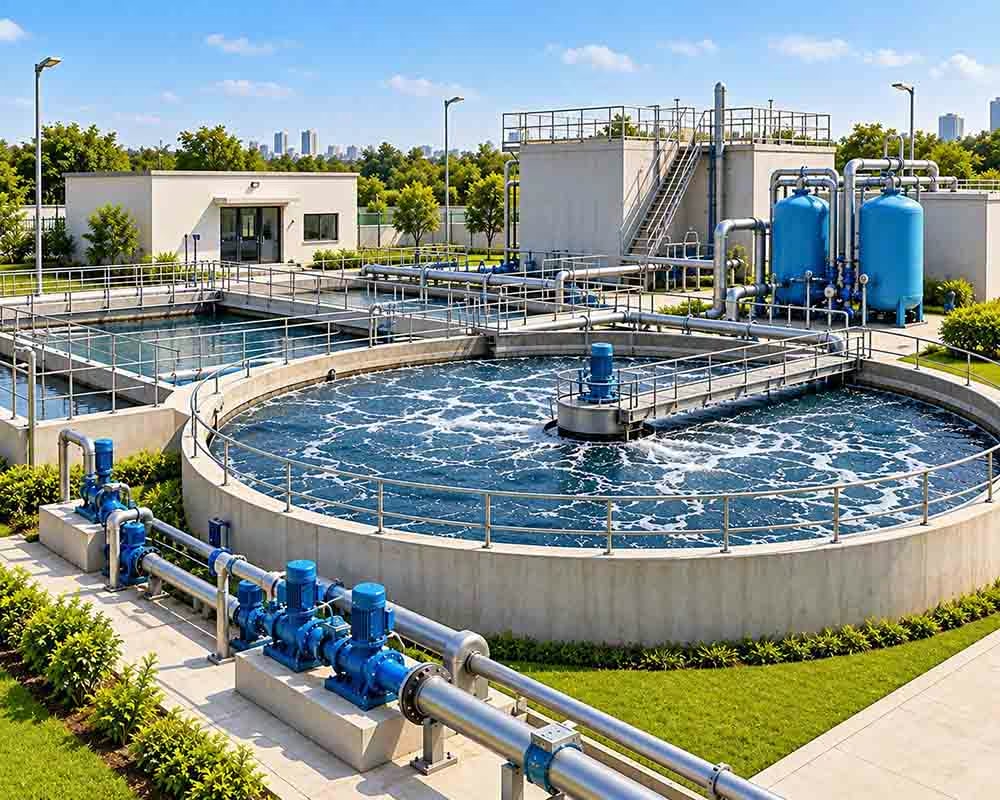
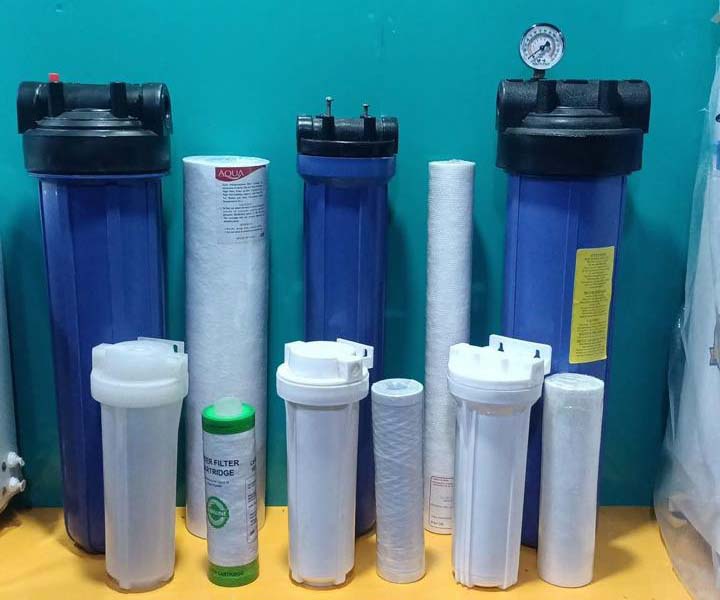
UF Systems photos from Jaljiwan projects

UF Systems: common questions
Yes. Jaljiwan builds ultrafiltration plants in Dwarka for RO pre-treatment, STP tertiary and process water across Delhi, Gurugram and Noida.
No. A UF system is not desalination. Pair it with an RO plant when TDS must come down. UF takes out solids, colloids and many microbes.
It depends on feed fouling. Many UF plants run CEB or CIP when transmembrane pressure rises, not on a blind calendar.
On many compact Delhi NCR sites, yes, especially where footprint and filtrate quality matter more than a large filter hall.
Yes. STP tertiary UF is common when treated sewage will go to flushing or gardening and you need a stable polish after biology.
Yes. Ultrafiltration for RO pre-treatment targets a low silt density index so industrial and commercial RO membranes last longer.
From about 1 m³/h up to modular multi-MLD trains. We size flux and recovery from your turbidity and organics, not from a neighbour’s skid.
We support AMC with housings, cartridges and related parts from Dwarka. Module type is confirmed from nameplates before we quote a replacement.
It depends on the water. UF removes solids, turbidity and many microbes but not dissolved salts. RO lowers TDS. High-TDS water needs RO, often with UF in front. Low-TDS water with turbidity may need only an ultrafiltration plant.
Flow, feed turbidity and organics, the number and type of modules, backwash and CIP systems, automation and skid material. We quote from your feed water details and duty.
What to send with your UF Systems enquiry
Every Jaljiwan proposal is built from a water report and a site note, not a catalogue number. Send these with your enquiry and the first proposal will be closer to final.
- Raw water test report (TDS, hardness, iron, turbidity) or the source: borewell, tanker or municipal
- Daily water demand or peak flow you need, in litres per hour or KLD
- Plant room or space available, with photos if possible
- Power supply available on site (single or three phase)
- Site location and any existing plant you want reused or replaced