
Sewage Treatment Plants (STP) in Delhi NCR
STP plants in Delhi NCR for societies, hotels, hospitals and commercial complexes.
How is an STP plant sized for a building?
An STP is sized from occupancy. We convert the people load into KLD, add peak factors for morning and evening use, and check whether treated water will go to flushing, gardening or both. Jaljiwan designs MBBR, SBR and extended aeration plants from about 10 KLD to 5 MLD and above for Delhi NCR sites.
Sewage treatment plants for Delhi NCR societies, hotels and hospitals
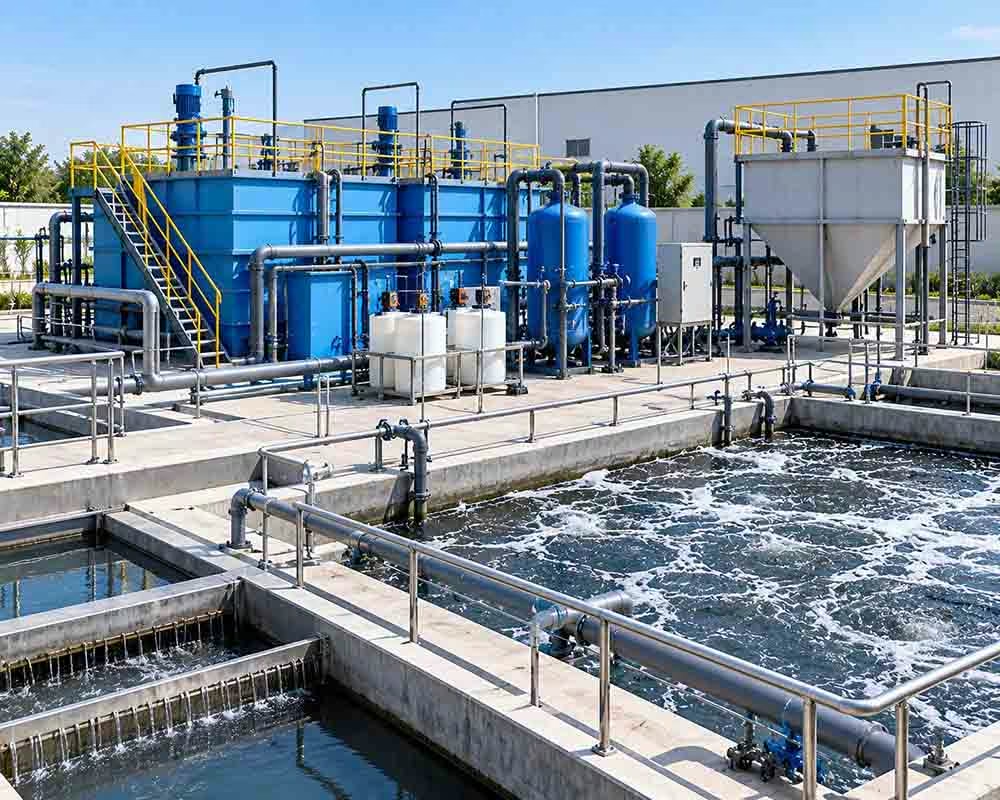
Jaljiwan sewage treatment plants (STPs) are designed to meet discharge and reuse targets while fitting tight urban plots and odour limits common in Delhi NCR. We use MBBR, SBR, extended aeration and hybrid schemes, with civil coordination and mechanical packages that facility teams can run day to day.
Most STP enquiries we receive from Delhi, Gurugram, Noida and Faridabad come from RWAs, hotels and hospitals that need a plant that fits the basement or a small service yard. Occupancy is the starting point. From there we convert people load into KLD, add peak factors for morning and evening use, and check whether treated water will go to flushing, gardening or both.
Urban sites in NCR often cannot spare a large open tank farm. Packaged MBBR or underground tanks keep the footprint down and help with odour if covers and ventilation are planned with the civil team. We coordinate blower noise, manhole access and sludge offtake so the plant is not a neighbour complaint after handover.
After commissioning, biology needs a stable load and a simple daily check list. Jaljiwan can train the society electrician or hotel facility staff, or take the plant on AMC. If you already have an STP that smells or fails outlet tests, we can survey it and say whether a repair, media change or a new process train is the honest next step.
Process wastewater needs ETP plants, not an STP. Read STP vs ETP differences if you are unsure which plant you need. We maintain both under AMC services. Contact Jaljiwan with occupancy or KLD and outlet targets.
Key Features
Process flexibility
MBBR, SBR, ASP, and packaged plants selected to load profile.
Compact layouts
Underground, modular, and above-ground options for urban plots.
Odour & noise control
Covers, ventilation, and acoustic considerations for inhabited sites.
Tertiary polishing
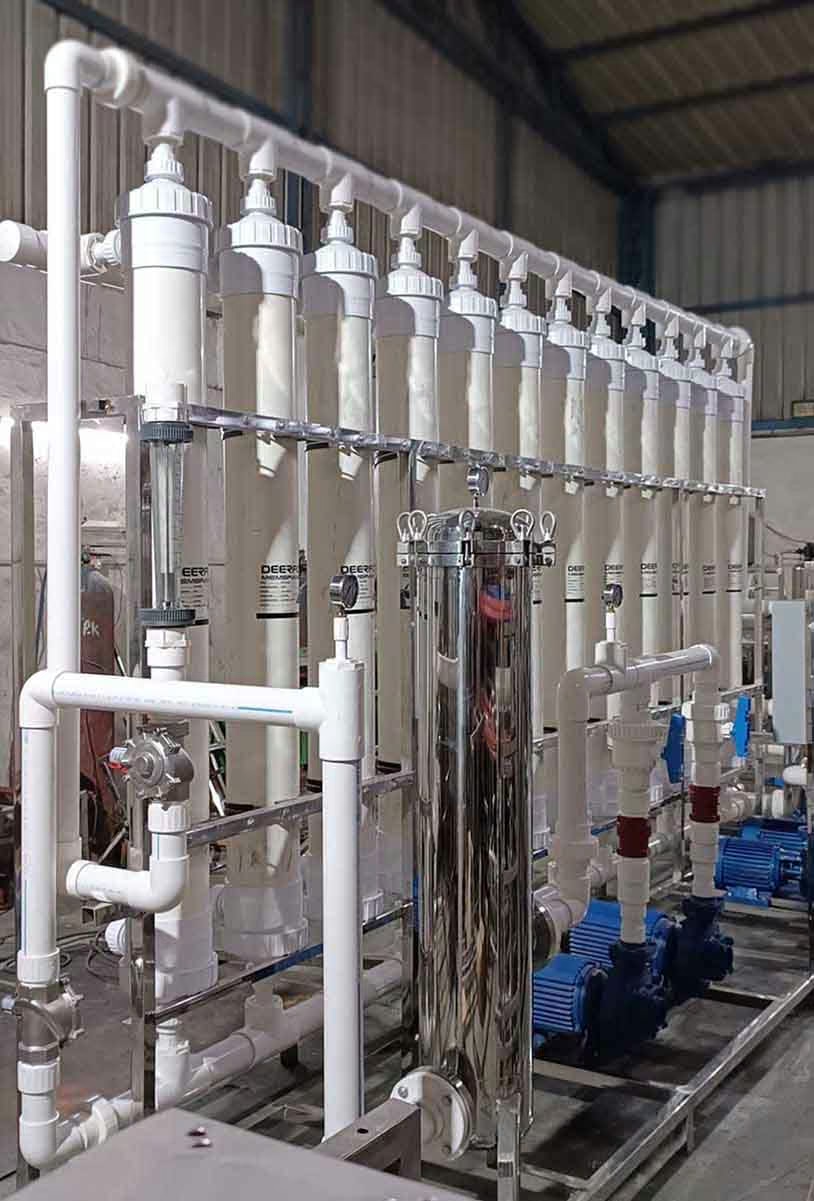
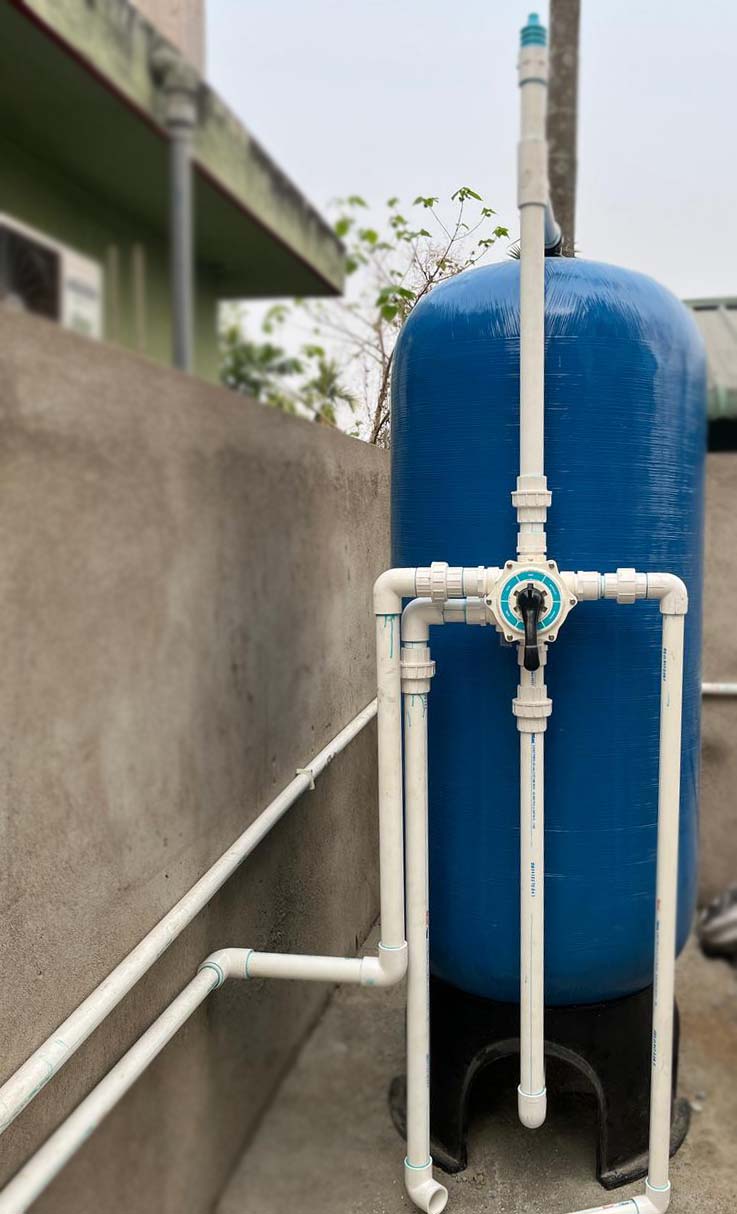
Sand/carbon, UF, and disinfection for reuse in flushing and gardening.
Automation options
Level-based control to PLC packages with remote alerts.
Sludge handling
Settling, dewatering advice, and disposal pathways.
Benefits
- Compliance-oriented design toward applicable CPCB/SPCB norms.
- Treated water suitable for non-potable reuse where permitted.
- Lower municipal dependency for flushing and landscaping water.
- Clear O&M documentation for facility teams and RWAs.
Applications
How Jaljiwan delivers STP Plants in Delhi NCR
STP Plants specifications
Final figures are confirmed after water analysis and a site survey in Delhi NCR.
| Capacity | 10 KLD to 5 MLD+ (project based) |
|---|---|
| Technology | MBBR / SBR / ASP / hybrid |
| Outlet quality | Designed to project & statutory targets |
| Reuse options | Flushing, gardening, cooling (with tertiary) |
| Construction | Civil RCC / packaged MS-FRP modular |
| Power | Optimised aeration & pumping design |
Industries that use STP Plants
Sewage treatment plant manufacturer for housing societies
RWAs and housing societies are among the most common STP enquiries we get in Delhi NCR. As a sewage treatment plant manufacturer based in Dwarka, we design the process, supply the equipment and commission the plant, and we work with the society's civil contractor on the tanks. For a society the usual worries are basement space, odour near the flats, blower noise and who will run the plant every day. We answer those in the proposal, not after handover.
What decides STP plant cost
- Capacity in KLD, from occupancy and peak use
- Process: MBBR, SBR or packaged STP
- RCC civil tanks or packaged modules
- Tertiary treatment for reuse, such as filters, UF and disinfection
- Odour control, covers and ventilation
- Automation and sludge handling
We quote after a site visit and an occupancy count.
MBBR, SBR or packaged STP: which suits your site
MBBR
Plastic media carriers move freely in the aeration tank and hold the bacteria. It is compact and copes well with daily swings in load, which suits residential societies, hotels and hospitals with a fixed plant room.
SBR
Fill, aerate, settle and decant happen in the same tank in timed batches. It suits sites where flow varies a lot through the day, but it depends on reliable controls and an operator who follows the cycle.
Packaged STP
A factory-built unit for smaller flows, such as a single building, site office or farmhouse. Less civil work and a quick install, with less room to expand later.
How we size an STP
An STP is sized in KLD (thousand litres of sewage per day). We start from how many people actually use the building, flats, beds or employees, and how much water they use per day, then add a peak factor for mornings and evenings. Kitchens and laundries are counted separately because they change the load.
Plan for space, power and civil work early. The plant room needs access for desludging and media top-up, a suitable power supply (usually three-phase) for blowers and pumps, ventilation, and a drain for overflow. Underground tanks need the structural engineer's approval before the STP layout is fixed.
Reusing treated STP water
Treated water with tertiary filtration and disinfection is commonly reused for toilet flushing, landscaping and cooling tower make-up. Reuse needs a separate pipeline marked as non-potable, so plan it with the plumbing consultant before handover.
For tertiary polishing we often add UF systems after the clarifier.
STP approvals and pollution-control consent
In Delhi, the Delhi Pollution Control Committee (DPCC) classifies industries as Red, Orange, Green or White. White-category industries do not need Consent to Establish or Consent to Operate; they submit an undertaking to DPCC online. For the other categories, Consent to Operate is granted only after Consent to Establish. Source: DPCC consent policy.
Whether your building or STP needs consent, and which outlet conditions apply, depends on the project and the current DPCC list. Noida, Greater Noida and Ghaziabad sites come under the Uttar Pradesh Pollution Control Board, and Gurugram and Faridabad under the Haryana State Pollution Control Board. We check the current conditions for each project instead of quoting general limits.
Operation and maintenance after handover
An STP keeps working only if someone runs it every day: blower and pump checks, sludge wasting, chlorine or UV, and simple outlet tests. We train the society or facility team at commissioning and can take the plant on STP AMC. If the plant came from another supplier, we survey it first and say what needs fixing.
STP Plants: common questions
Yes. Jaljiwan designs and installs sewage treatment plants in Delhi NCR for societies, hotels, hospitals and campuses. Work is quoted and supported from Dwarka, New Delhi.
It depends on MBBR, SBR or packaged tanks and whether they sit underground. We give footprint options early so RWAs on tight Delhi NCR plots can choose.
Yes. We survey occupancy, reuse goals and the service yard, then install society STP plants for RWAs across Gurugram, Noida, Faridabad and Delhi.
Hotel and society STP plants often start around 10 KLD. Township and campus plants are project based and can run to several MLD with tertiary reuse.
With tertiary filtration, UF where needed and chemistry control, often yes. Tower metallurgy and local guidelines still decide the final yes or no.
Your facility staff after our training, or a Jaljiwan AMC and O&M team under contract in Delhi NCR. Daily checks stay simple on purpose.
Yes. We survey blowers, media and load. Sometimes it is a repair or media change. Sometimes the honest answer is a new process train.
Usually yes on urban plots. Covers, ventilation and a compact layout keep a hotel STP from becoming a neighbour complaint after commissioning.
The KLD worked out from the number of flats and residents, the process chosen, civil or packaged tanks, tertiary treatment for reuse, odour control and automation. We quote after a site visit, not from a fixed rate per KLD.
What to send with your STP Plants enquiry
Every Jaljiwan proposal is built from a water report and a site note, not a catalogue number. Send these with your enquiry and the first proposal will be closer to final.
- Number of flats, beds, residents or employees, or the sewage flow in KLD
- Space available for the STP, above or below ground, with photos
- Where the treated water will go: flushing, gardening, cooling tower or drain
- Any outlet norms or consent conditions already given to you
- Power supply on site and whether an old STP is being upgraded